The Wheel and the Hand: Mastering Traditional Pottery Throwing the Sri Lankan Way
Sri Lanka's top potters approach their craft with the same reverence as master carvers. We spend a day inside a Molagoda workshop to understand why the throw is half the finish.
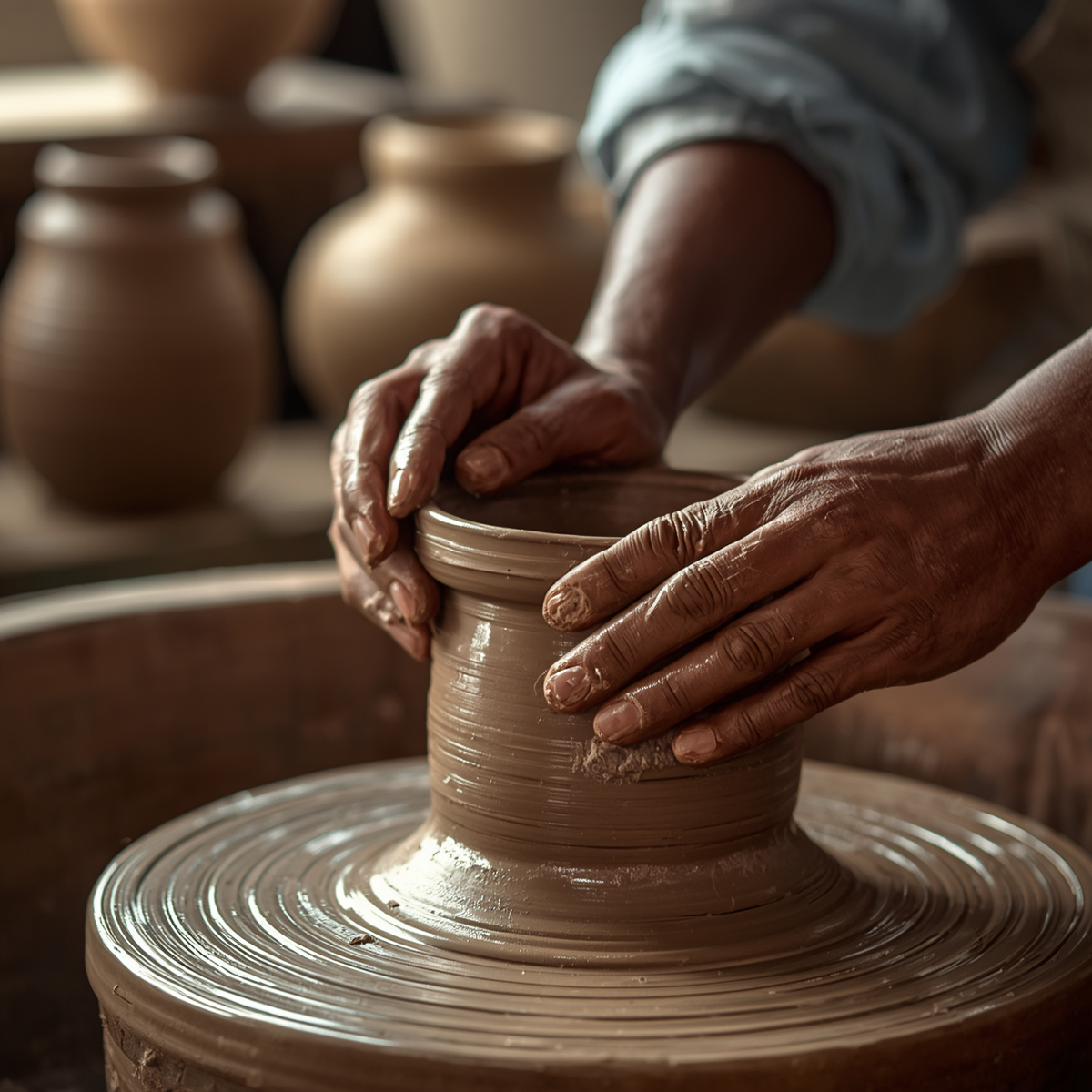
In a quiet compound behind a roadside stall in Molagoda, behind an unmarked clay-dusted gate, Ranjith Silva has been throwing pots on a kick wheel for thirty-one years. His tools — a collection of over twenty wooden ribs and wire cutters, shaped by his own hand over decades — are worn smooth from daily use.
"Machine moulding follows the mould," Silva says, guiding a lump of clay up into a tall jug shape with a single, almost silent motion. "Hand throwing follows the clay. We don't fight the material. We listen to it."
The distinction matters enormously with traditional pottery. The wall thickness that gives a clay pot its heat retention and durability is not uniform across a vessel — it thins and thickens deliberately as the potter's hands move up the form, and it is precisely this variation that a skilled Sri Lankan potter controls, preserving the integrity of the shape rather than forcing it into a fixed mould.
The result, from a pot thrown the traditional way, is a vessel whose walls flex almost imperceptibly with temperature, resisting the cracking that plagues machine-pressed alternatives. Skip the hand-throwing stage, and you lose both the character of the form and a measurable degree of durability.
Global Sri Lankan Handicraft Exports Hit Record High as International Appetite Grows
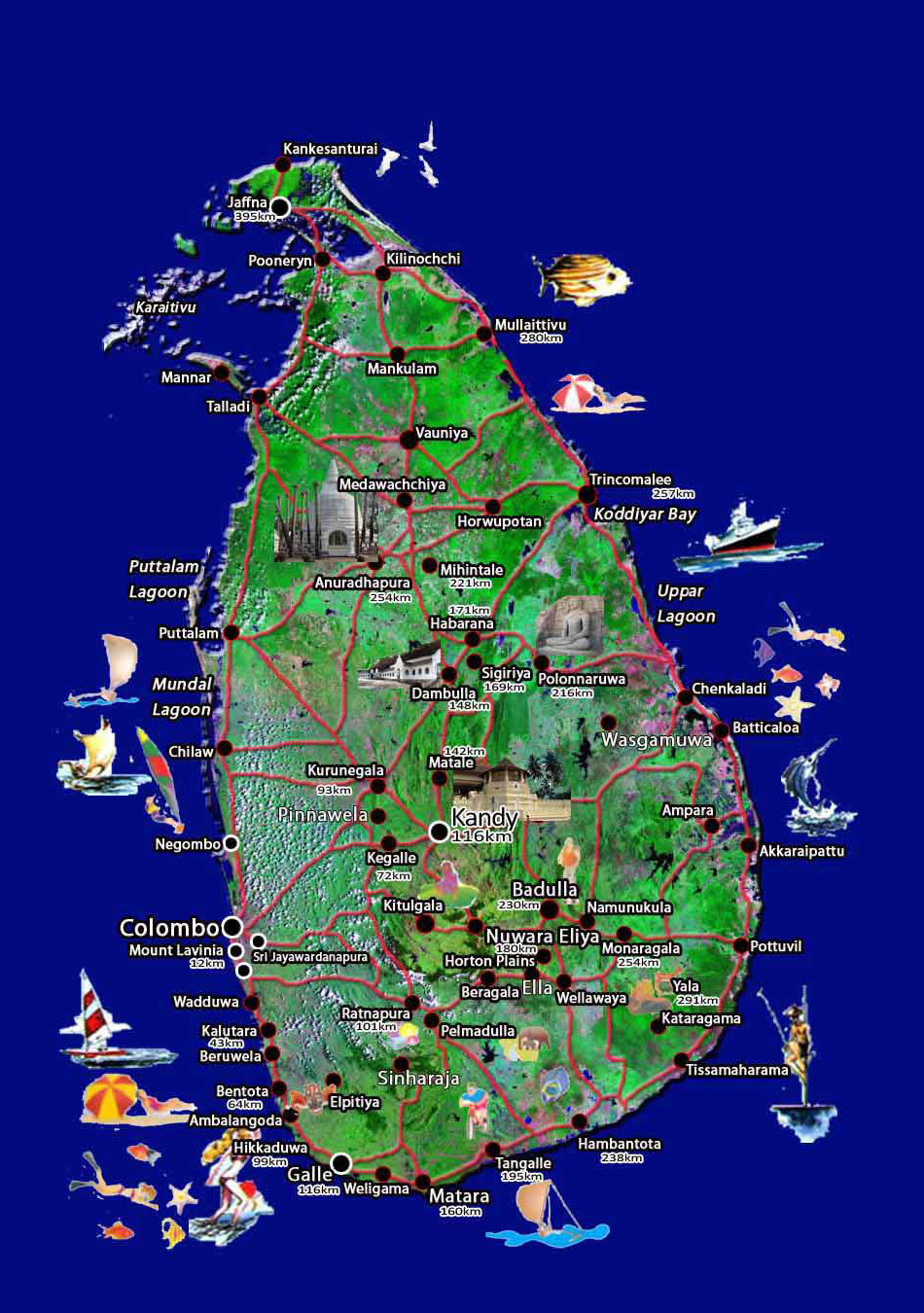
Sri Lanka's Export Development Board reports a 34% year-on-year increase in handicraft exports, driven by surging demand across North America, Europe, and the Middle East.
Read article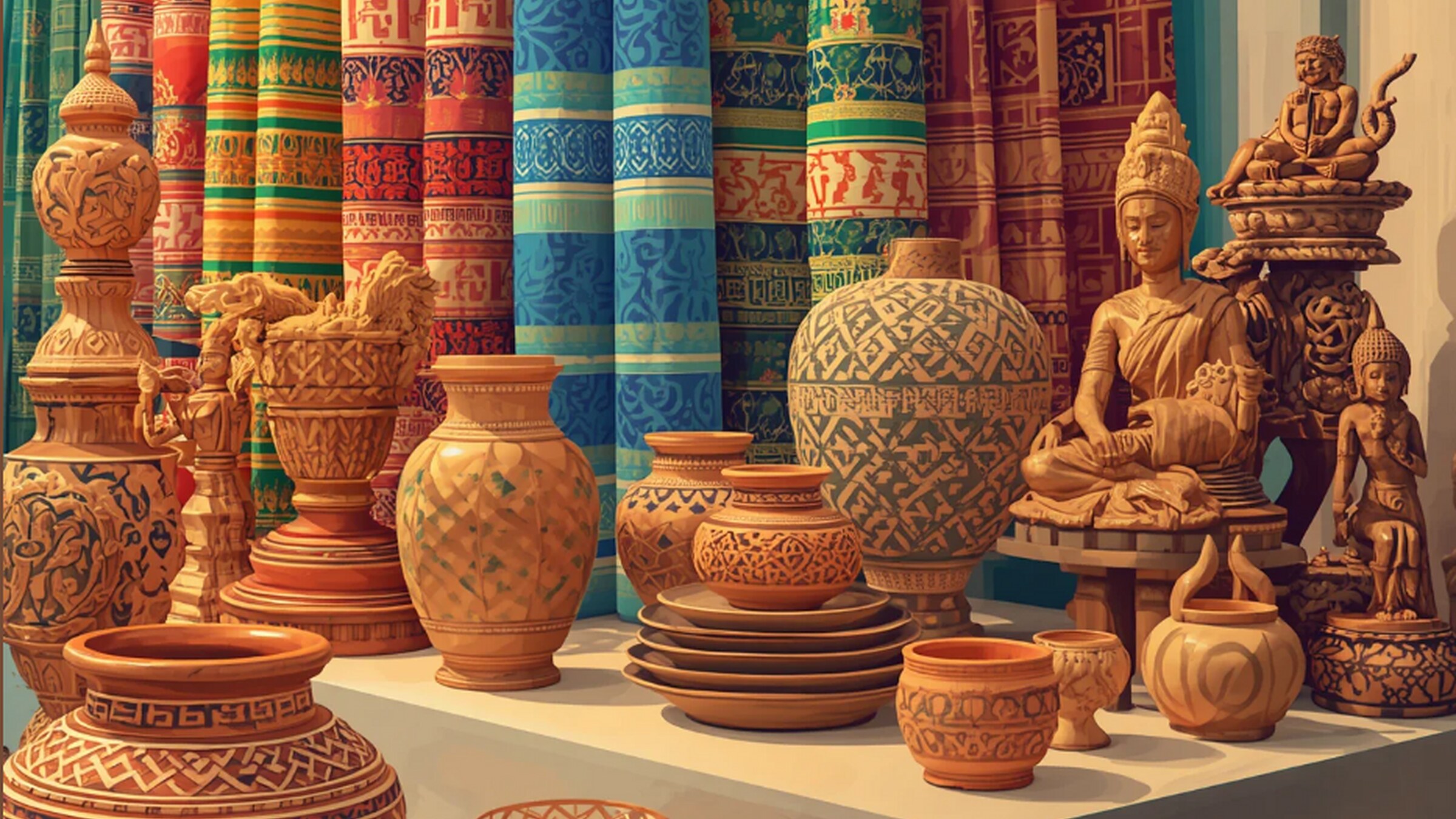
The Chemistry of Glaze: Why Traditional Ceramic Finishes Endure for Generations
New materials science is challenging long-held assumptions about ceramic glazes. Traditional ash-and-mineral finishes tell a very different story from modern synthetic coatings.
Read article
Sapphire Formation Decoded: The Geology Behind Sri Lanka's Gem Riches
A deep dive into the geological science that makes Ratnapura's gem gravels uniquely capable of producing world-class sapphires — and why it cannot be fully replicated elsewhere.
Read article